

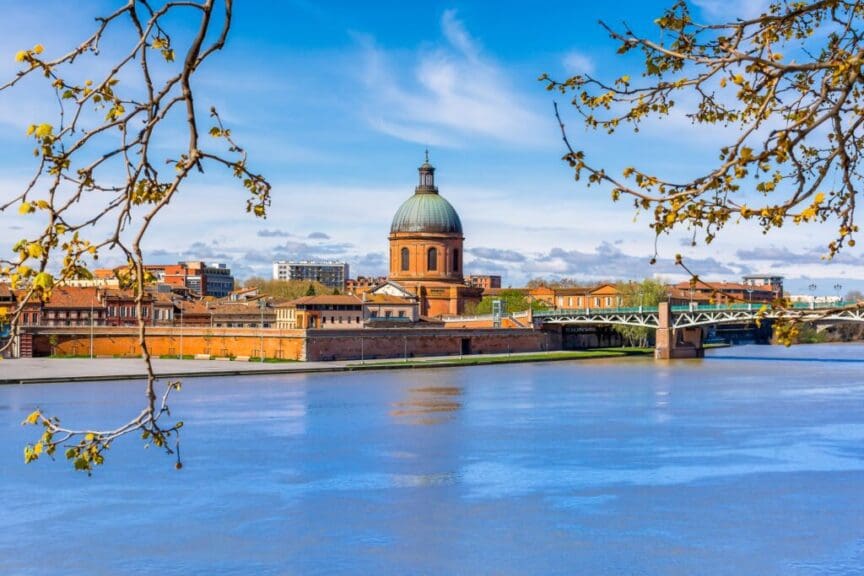
Quick answer
Toulouse is worth visiting if you want authentic French city life without the density of Paris tourism, strong interest in aerospace history or Romanesque architecture, and a launch point for the Occitanie region. The city rewards travelers who prioritize local food culture and walkable historic quarters over blockbuster monuments. Plan at least two full days to cover the Capitole district, museums, and Canal du Midi waterfront without rushing.
Toulouse processes more airline parts than any city in Europe, yet most of its center predates the Wright brothers by eight centuries. The nickname La Ville Rose—the Pink City—describes the uniform terracotta facades that line streets from Place du Capitole to the Garonne riverbanks. Unlike Lyon or Marseille, Toulouse never rebuilt in Haussmannian stone, preserving a warmer, distinctly southern aesthetic that photographs best between 16:00 and sunset. The city operates as France's fourth-largest metro area but feels less hurried than its ranking suggests. University students make up nearly a fifth of the population, keeping café terraces full and rent lower than in coastal cities. The Basilica of Saint-Sernin, Europe's largest surviving Romanesque church, anchors the historic core alongside the Jacobins convent and its palm-tree vaulted ceiling. These monuments matter to architecture students; general tourists often find them less immediately striking than Gothic cathedrals elsewhere. Aerospace enthusiasts have clear reasons to visit Toulouse—the Airbus factory tour and Cité de l'Espace museum concentrate aviation and space hardware you cannot see elsewhere in France. Food-focused travelers benefit from proximity to Gascony and the Pyrenees: cassoulet originated here, and the Marché Victor Hugo supplies duck confit, Armagnac, and seasonal produce daily. The Canal du Midi, a UNESCO site, runs through the city and offers flat cycling routes into the countryside. Whether Toulouse justifies days on a France itinerary depends on how you weight authenticity against iconic sights. The city does not compete with Paris for museums or Provence for picturesque villages. It offers instead a working French city where tourism supports the economy but does not define it, where dinner reservations come easier and conversations with locals happen more naturally than in heavily visited regions.
“Toulouse preserved its terracotta vernacular while other French cities rebuilt in stone, creating a visual consistency rare among major European metros.”
When Is Toulouse Worth Visiting for Optimal Daylight?
The optimal window for visiting Toulouse is during the shoulder months of April to June or September to October, when comfortable temperatures align with the best arrival window of 09:00–18:00 for exploring the historic center.
Spring (April-May)
Moderate crowdsMild, 15°C to 22°C
The city flourishes with blooming flowers and pleasant walking temperatures.
Autumn (September-October)
Lower crowdsMild, 16°C to 24°C
Warm daylight persists, providing ideal conditions for outdoor landmarks and plazas.
Summer (July-August)
Peak visitor numbersHot, often exceeding 28°C
Expect higher temperatures and more tourists near primary historic sites.
Weekday Days (09:00–18:00)
Manageable local traffic—
This daily timeframe ensures maximum daylight for navigating the Pink City and historic architecture.
Verdict: The best time to visit is mid-week during April, May, or September, utilizing the 09:00–18:00 arrival window to maximize daylight in the city center.
Why Is Toulouse Worth Visiting: Key Historic Landmarks
Toulouse, known as the Pink City for its distinctive terracotta brick architecture, offers a concentration of historic landmarks within its walkable center. These sites reflect the city's long-standing influence in religion, commerce, and aerospace.
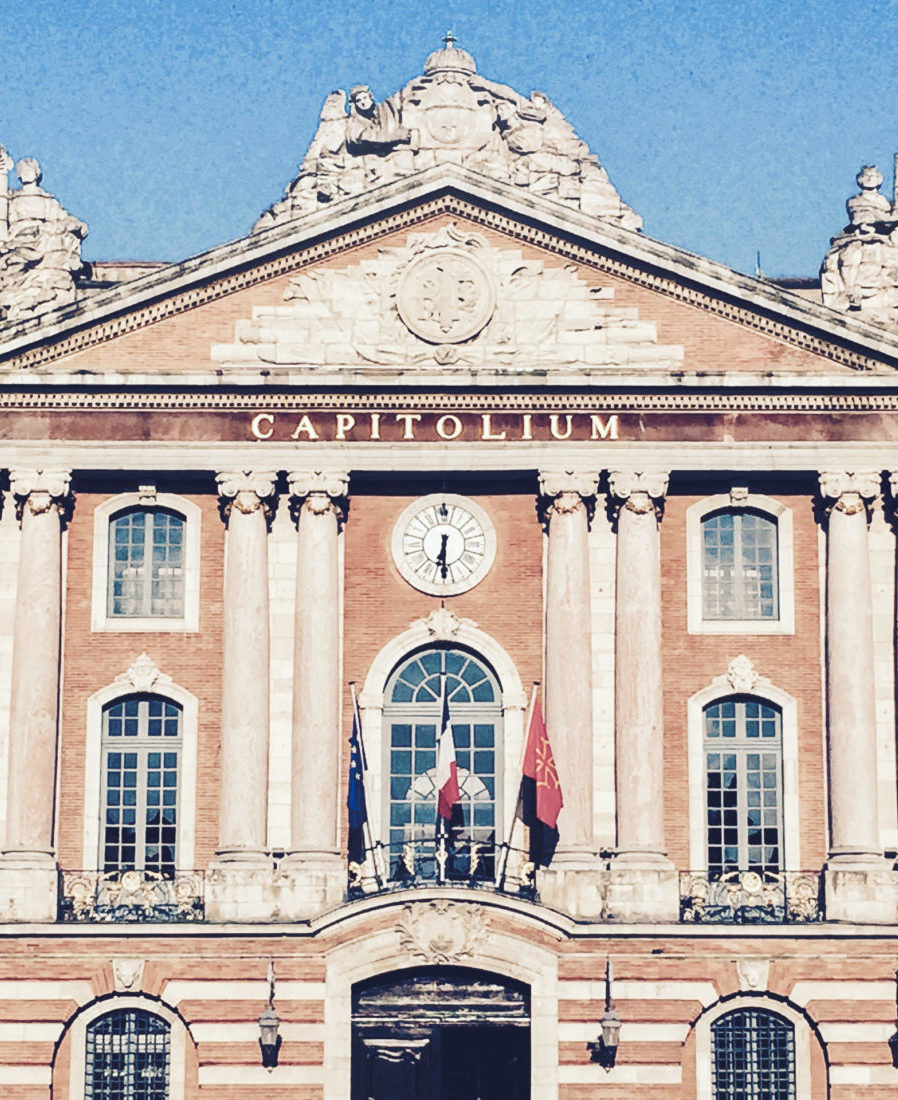
Place du Capitole
This expansive central square features the grand Capitole building, which houses both the city hall and an opera house. The surrounding cafes provide a vantage point for observing the life of the square.
Visit during the early morning to photograph the light on the bricks.
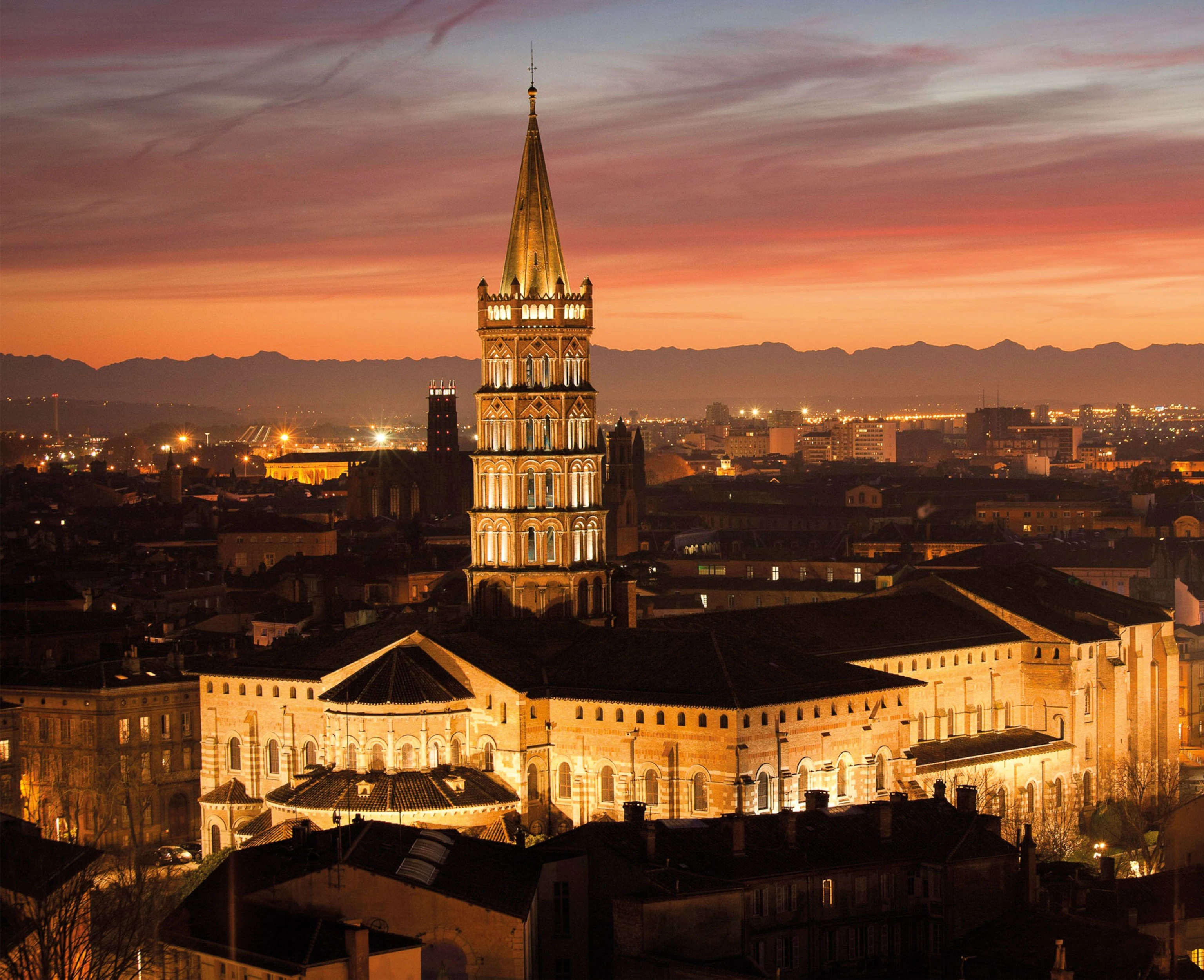
Basilica of Saint-Sernin
As a major stop on the pilgrimage route to Santiago de Compostela, this Romanesque basilica is recognized as a UNESCO World Heritage site. Its octagonal bell tower is a landmark of the city skyline.
Walk to the back of the apse to see the intricate radiating chapels.
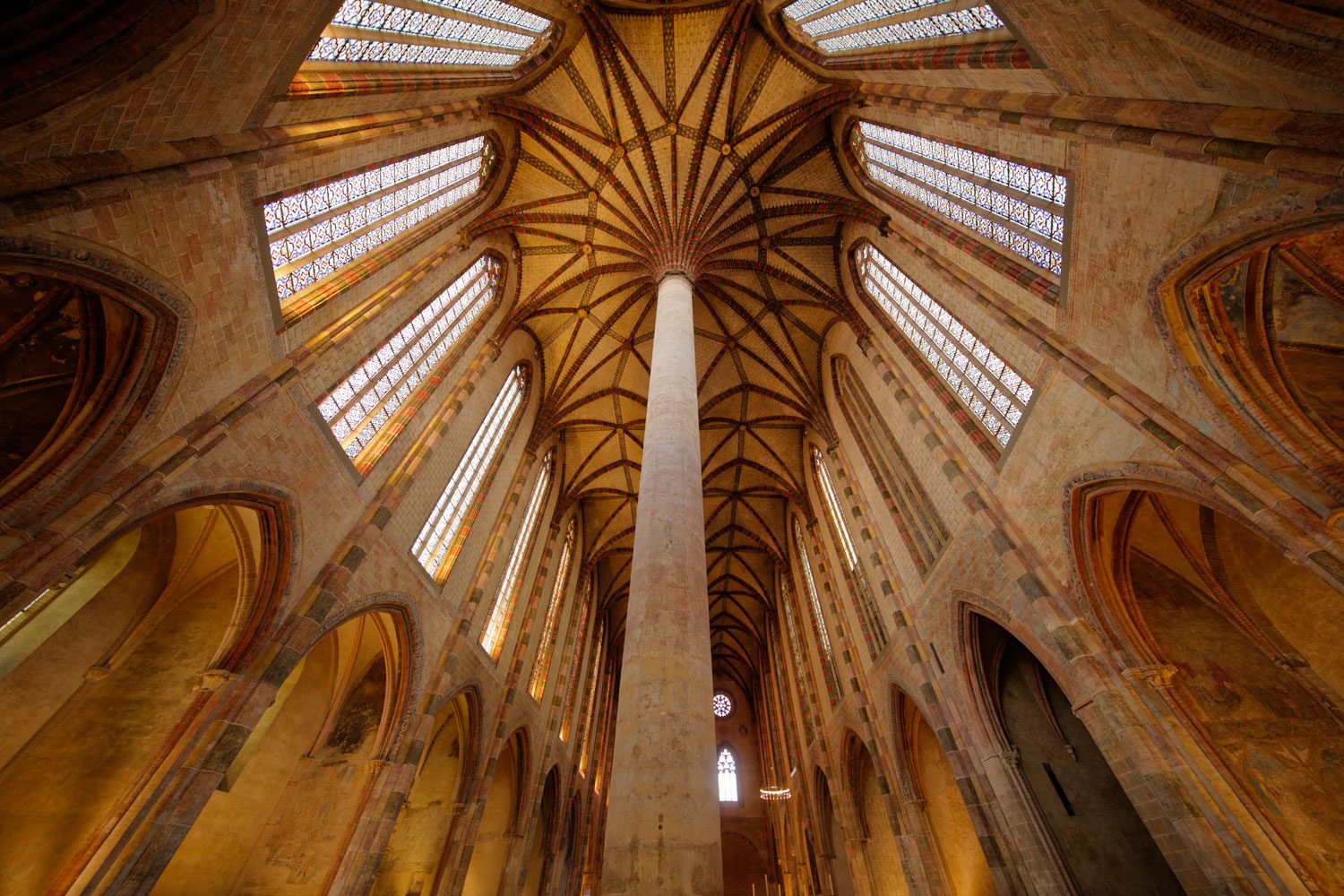
Couvent des Jacobins
This former monastery is celebrated for its southern Gothic architecture and the famous palm tree vaulting in the church. The peaceful cloister offers a quiet contrast to the busy city streets.
Look up at the palm vaulting to see the architectural structural detail.
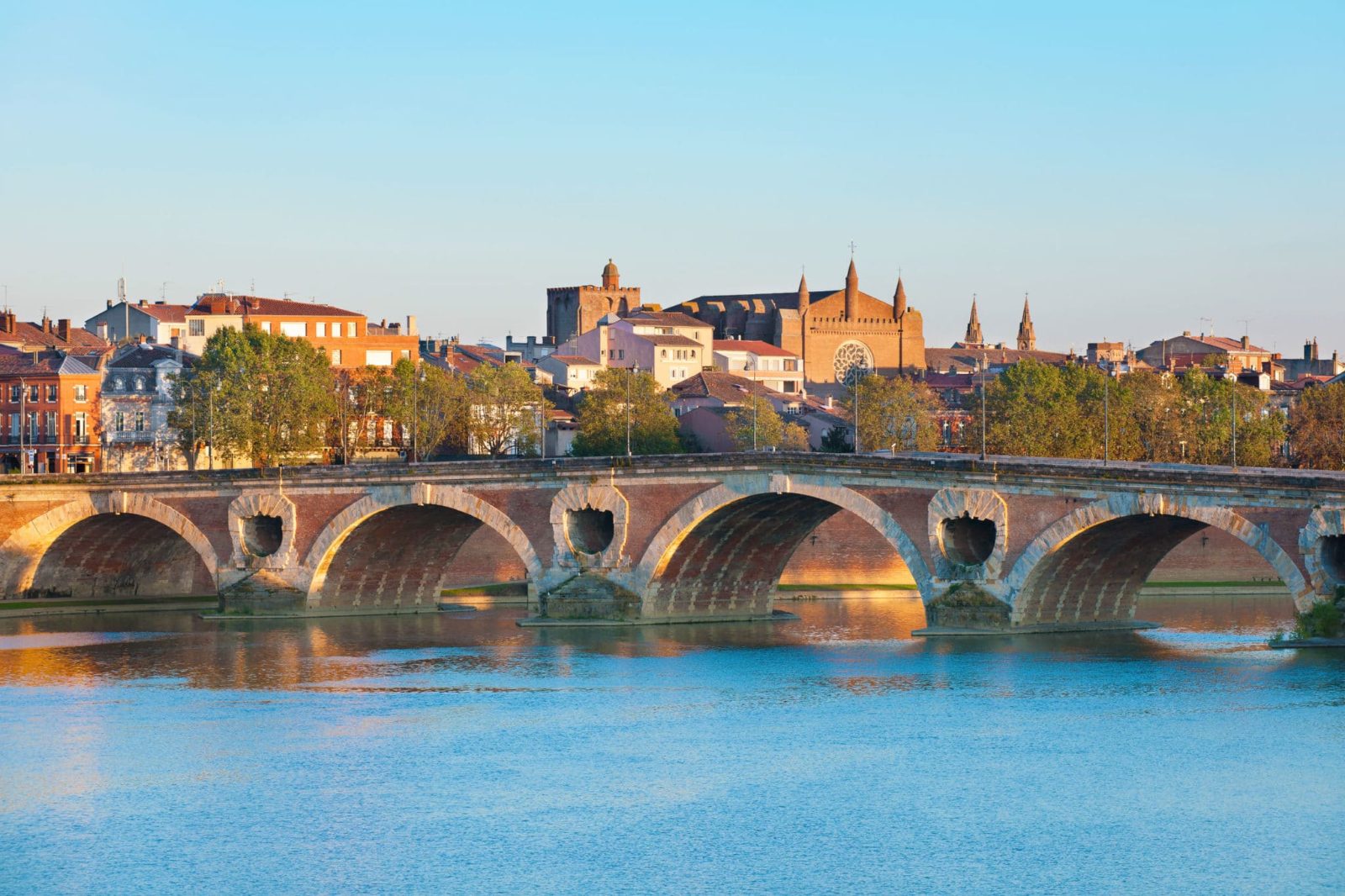
Pont Neuf
Despite its name meaning new bridge, this is the oldest bridge in the city, constructed over several decades in the 16th and 17th centuries. It provides views along the Garonne River toward the city center.
Walk onto the bridge at sunset for views of the riverbank.
Is Toulouse Worth Visiting for Local Gastronomy?
Toulouse offers a distinct culinary identity anchored in the traditions of Southwestern France. Visitors can explore regional staples like cassoulet in local restaurants or source fresh regional ingredients at the city's established markets.
Marché Victor Hugo
market
This central indoor market features vendors selling regional cheeses, charcuterie, and duck products. It is the primary location to observe local food culture in the city center.
Le Colombier
restaurant
Located in the historic center, this establishment specializes in traditional cassoulet made with white beans and pork confit. It provides a standard environment for trying this local dish.
Place du Capitole
street
The perimeter of this central square hosts various cafés and brasseries ideal for observing city life. It is the most accessible area for a drink while visiting the main landmarks.
Marché Saint-Cyprien
market
Situated across the Garonne river, this market offers a less crowded environment for locals to purchase regional produce. It serves as an alternative to the busier city center markets.
Logistics: Is Toulouse Worth Visiting and How to Arrive
Toulouse is located in the Haute-Garonne department of the Occitania region, France, and is centrally accessible via a well-connected transport network. The most direct approach for international travelers is through Toulouse-Blagnac Airport, while domestic arrivals often utilize the city's high-speed rail links.
TGV/Intercités to Gare de Toulouse-Matabiau
Line A to Capitole station
Tisseo Airport Shuttle to Toulouse-Matabiau
A61/A62 motorways to city center
Is Toulouse Worth Visiting Without High Admission Fees?
Toulouse as a city is accessible to explore without an entry fee, though individual museums, historic sites, and guided experiences charge their own admission prices. Costs depend entirely on which specific landmarks you choose to visit during your time in the city.
A typical adult pays 0 EUR to enter the city, with total daily costs determined by the number of paid attractions or tours selected.
Opening Hours: Is Toulouse Worth Visiting Anytime?
Toulouse is accessible to visitors at all hours throughout the week, allowing for flexible exploration of the city center. While the city remains open daily, the most practical time for visiting landmarks and navigating the historic streets is during daylight hours.
| Monday | 00:00–23:59 | |
|---|---|---|
| Tuesday | 00:00–23:59 | |
| Wednesday | 00:00–23:59 | |
| Thursday | 00:00–23:59 | |
| Friday | 00:00–23:59 | |
| Saturday | 00:00–23:59 | |
| Sunday | 00:00–23:59 |
Check availability
Frequently Asked Questions About Visiting Toulouse
Everything you need to know about is toulouse worth visiting