

Quick answer
A toulouse walking food tour typically covers 2 to 3 kilometers over three to four hours, visiting covered markets, artisan shops, and tasting venues between Place du Capitole and neighboring districts. Most routes operate Tuesday through Saturday mornings when Victor Hugo and Saint-Cyprien markets are active, with tastings of cassoulet, Toulouse sausage, Roquefort, Armagnac, and violet-flavored confections. Tours are privately operated with costs varying by operator and group size.
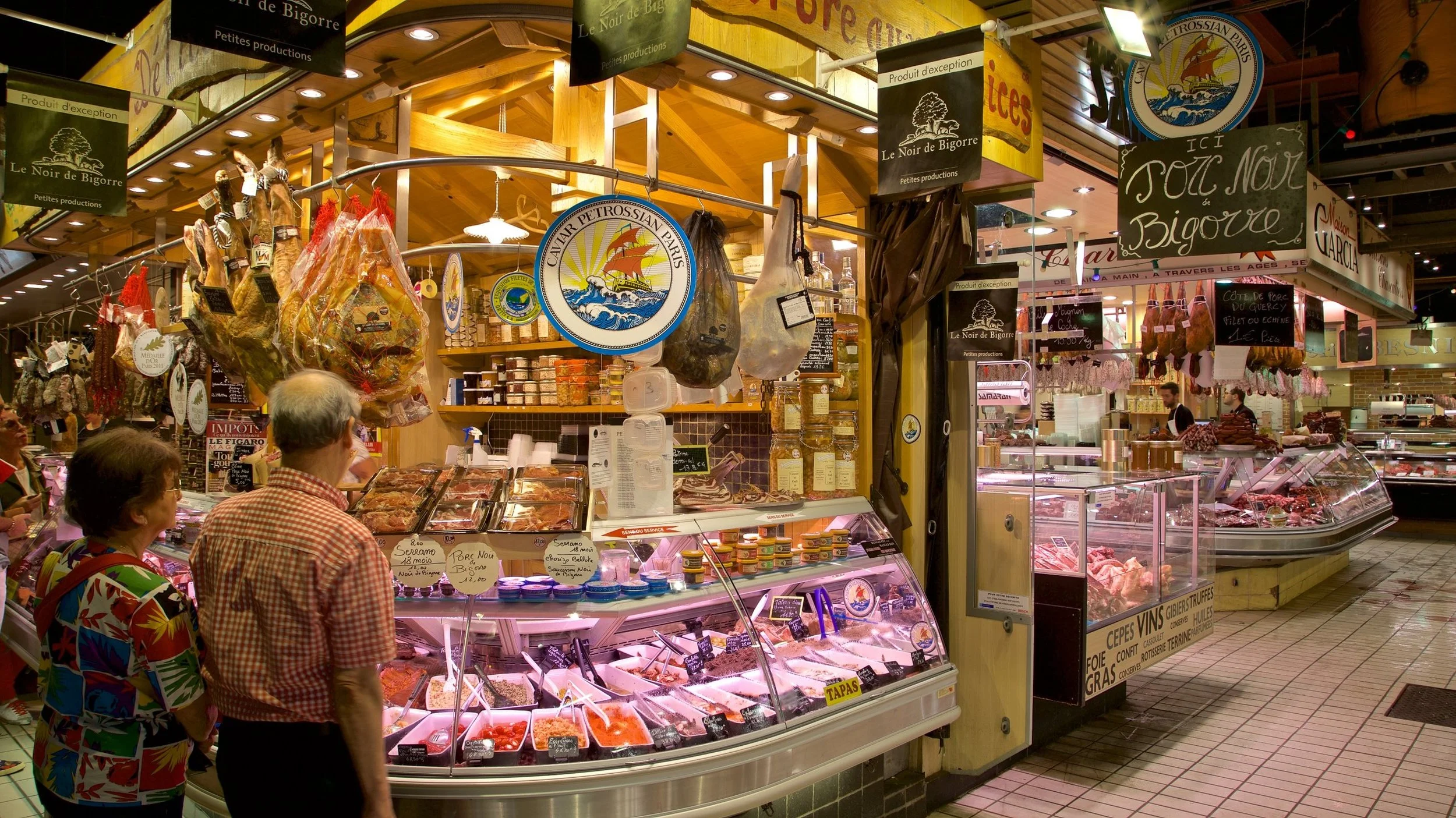
Toulouse produces more pork charcuterie per capita than any other French city, a statistic that explains why most culinary walking routes in the city allocate at least one stop to a traditional charcuterie counter. The density of food-focused landmarks within a compact historic center makes Toulouse practical for walking food experiences, with covered market halls, fromager caves, and regional wine merchants concentrated in overlapping pedestrian zones. A toulouse walking food tour typically follows one of three neighborhood patterns. Capitole-centered routes begin at Place du Capitole and move through Victor Hugo market, the largest covered market in Toulouse, before threading south through narrow streets lined with bakeries, wine cellars, and pastry workshops. Saint-Cyprien itineraries cross the Garonne to explore the left-bank market hall and surrounding bistros, emphasizing cassoulet variations and Gascony wine pairings. Carmes-focused walks trace the perimeter of the smaller Marché des Carmes, weaving in stops at specialty shops that stock regional products from the Pyrenees foothills and Gers. Guided culinary walks differ from independent market visits in structure and access. Operators pre-arrange tastings with vendors, coordinate timing to coincide with market operating hours, and interpret regional ingredients that may be unfamiliar to visitors, such as millas (a cornmeal cake), garbure (a bean and duck soup), and violet crystallization techniques specific to Toulouse. Independent walkers can replicate the geographic routes but will need to purchase items individually and navigate language barriers at artisan stalls where English is not consistently spoken. Market operating schedules shape tour availability. Victor Hugo market operates Tuesday through Sunday mornings, closing at 13:00, which anchors most midweek food walk departures between 09:00 and 10:30. Saint-Cyprien market follows a Tuesday, Thursday, Saturday, and Sunday schedule, narrowing the days when left-bank routes are viable. Monday remains the least practical day for market-focused food walks, as most covered halls and many independent food shops observe a weekly closure. Seasonal variation affects both ingredient availability and walking comfort. Spring and autumn provide moderate temperatures for extended outdoor walking, while summer heat above 30°C can make midday market visits uncomfortable. Winter reduces the selection of regional produce but increases the availability of duck confit, foie gras, and other preserved specialties that Toulouse vendors stock for the holiday season. Most operators adjust tasting menus quarterly to reflect market inventory, with violet-themed items appearing primarily between February and May when local producers harvest and process fresh blossoms.
“Toulouse produces more pork charcuterie per capita than any other French city, a statistic that explains why most culinary walking routes allocate at least one stop to a traditional charcuterie counter.”
The Best Time for a Toulouse Walking Food Tour
The best arrival window for a food tour in Toulouse is 09:00–10:30. These morning hours are ideal as they align with peak market activity and offer cooler, comfortable temperatures for walking.
Weekday mornings
Moderate crowds—
Market activity is at its height, providing the most authentic local food experience.
Late spring and early autumn
High visitor numbersMild (15°C–22°C)
These months offer pleasant walking conditions before the peak summer heat arrives.
Mid-week (Tuesday to Thursday)
Low to moderate crowds—
Walking tours are less congested, allowing for easier interaction with food vendors and guides.
Verdict: The best time to schedule your tour is Tuesday to Thursday mornings, between 09:00 and 10:30, during the months of April or October.
Operating Hours for Toulouse Walking Food Tour Planning
The Toulouse walking food tour planning is available seven days a week to accommodate visitor schedules. Tours operate consistently from morning through early evening.
| Monday | 09:00–18:00 | |
|---|---|---|
| Tuesday | 09:00–18:00 | |
| Wednesday | 09:00–18:00 | |
| Thursday | 09:00–18:00 | |
| Friday | 09:00–18:00 | |
| Saturday | 09:00–18:00 | |
| Sunday | 09:00–18:00 |
How to Reach Your Toulouse Walking Food Tour
The meeting point for your Toulouse walking food tour is centrally located at Place du Capitole, 31000 Toulouse, France. The most efficient way to access this historic square is by utilizing the city's public transport network.
Line A to Capitole station
From Capitole Metro exit to the square
Line 14, 29, 39, 44, or 63 to Capitole stop
Drop-off at Place du Capitole
Understanding Costs for a Toulouse Walking Food Tour
Toulouse walking food tours are privately operated experiences rather than public attractions. Consequently, there is no standardized entrance fee, and costs are determined by the specific tour provider chosen.
Participants pay for private tour packages directly to the operator, with the final price depending on the duration and the number of food tastings included.
Planning Your Toulouse Walking Food Tour Experience
Most Toulouse walking food tours run 3–4 hours, beginning mid-morning when markets are busiest and ending before lunch. This sequence suits curious eaters comfortable with moderate walking and ready to sample as they go.
Market arrival and orientation
Meet your guide near Place du Capitole and walk to Marché Victor Hugo, the city's central covered market. Guides typically introduce Toulouse's culinary history and the day's route.
Market tastings and producer visits
Sample charcuterie, cheese, and seasonal produce at vendor stalls; many tours include a glass of local wine or Armagnac. Expect 4–6 stops within the market hall.
Artisan bakery and confectionery
Walk through narrow streets of the old town to visit a traditional bakery for fénétra (almond tart) or a violette candy workshop. Tours often explain the violet's role in Toulouse's food identity.
Cassoulet tasting and wrap-up
End at a neighborhood bistro or charcuterie for a small serving of cassoulet, the region's signature white-bean stew. Guides provide restaurant recommendations before dispersing near the starting point.
Checklist for Your Toulouse Walking Food Tour
A few essentials will keep your walking food tour comfortable and hassle-free.
-
Wear comfortable walking shoes — You'll cover several kilometers on foot across Toulouse's cobbled streets and markets.
-
Bring a refillable water bottle — Staying hydrated is important, especially during warmer months when walking between tastings.
-
Confirm your tour booking details — Have your confirmation email or voucher ready on your phone or printed for check-in.
-
Arrive 10 minutes early — This gives you time to meet your guide at the designated meeting point without rushing.
-
Pack a light jacket or layers — Weather can shift throughout the day, and morning tours may start cool.
-
Leave room for tastings — Avoid eating a heavy meal beforehand so you can fully enjoy the food samples included in the tour.
Check availability
Frequently Asked Questions About Toulouse Walking Food Tours
Everything you need to know about toulouse walking food tour